

Rooftop Rainwater Harvesting captures rainfall from building rooftops and channels it into storage systems or groundwater recharge structures. In many regions, significant volumes of rainwater are lost as runoff, increasing freshwater dependency and urban flooding. Our service evaluates roof area, rainfall intensity, water demand, and site conditions to design efficient harvesting systems. These systems include filtration units, storage tanks, recharge pits, and overflow management.
Properly designed rainwater harvesting reduces reliance on municipal or groundwater sources, lowers water costs, supports green building compliance, and strengthens long-term water security for residential, commercial, institutional, and industrial buildings.
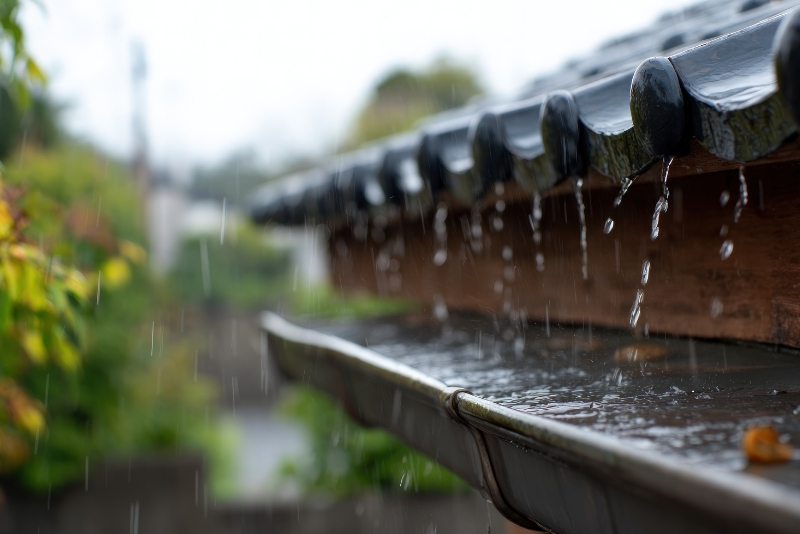
We analyze rainfall data, roof catchment area, building layout, drainage flow paths, and recharge potential to estimate harvesting capacity and system feasibility.
Our team conducts on-site inspections to assess roof type, runoff quality, storage space availability, plumbing layout, and ground conditions for recharge structures.
Based on collected data, we calculate potential water yield and design an optimized harvesting system including filtration units, storage tanks, and/or recharge pits.
We provide detailed system drawings and technical documentation, followed by supervised installation to ensure efficient, durable, and compliant rainwater harvesting implementation.
Residential buildings, educational institutions, industries, commercial complexes, hospitals, and infrastructure projects can benefit from structured rainwater harvesting systems.
The amount depends on roof area, rainfall intensity, and system efficiency. Larger roofs and higher rainfall regions can capture significant volumes annually.
With proper filtration and treatment, harvested rainwater can be used for potable purposes. Otherwise, it is suitable for domestic, irrigation, and recharge applications.
In many regions, it is required for building approvals or supports green building compliance such as IGBC and other sustainability certifications.
Periodic cleaning of filters, gutters, and storage tanks is recommended, typically before and after the monsoon season, to ensure optimal performance.